On Roundness and Love. A Jewelry Manifesto
If you had to store all your love in one place, what shape would it be? I suspect something round.


[Part 1]
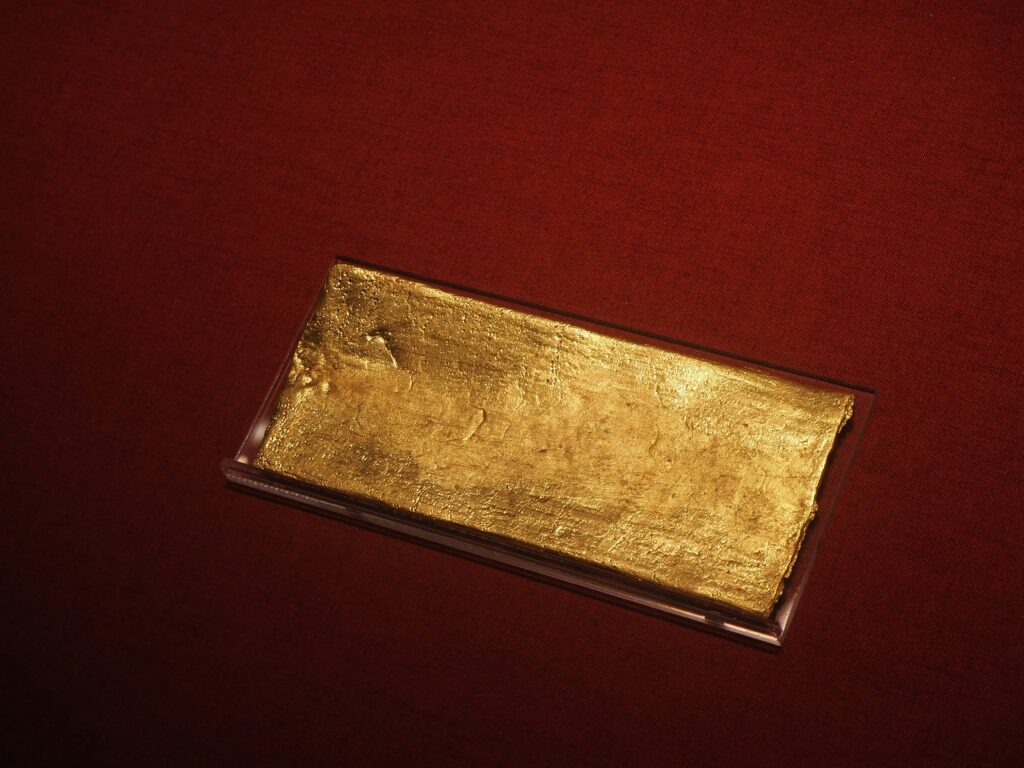
A woman walks into a gold shop in downtown Los Angeles carrying a small velvet pouch. Inside: her grandmother’s wedding band, a chain her mother wore every day for thirty years, and a pair of earrings no one in the family wanted. She hands them over. The clerk weighs them — 26 grams, 14 karat — and offers a number. The woman accepts. The pieces go into a crucible. Minutes later, what was a wedding band, a daily ritual, and a pair of earrings is a small glowing rectangle of metal, cooling in a mold. Identical to every other rectangle that came before it.
This is happening all over the world right now. Gold has roughly tripled in price in the last two years. At its peak in January, an ounce sold for over $5,500 — a number that would have seemed absurd even three years ago. People are lining up at refineries, pawn shops, and jewelry districts. Family heirlooms — pieces with engravings, with memorable dates, with craftsmanship that will never be reproduced are disappearing into furnaces at an industrial pace.
The math is hard to argue with. A chunky gold bracelet that was worth $600 two years ago is now worth $1,500 in pure metal. A ring that sat in a drawer for decades can pay a month’s rent. For many people, this isn’t greed — it’s a necessity. But gold prices don’t rise in a vacuum. They rise when the world gets frightening: when currencies wobble, when wars break out, when trust in institutions erodes. The current surge was driven by all of these at once — trade wars, inflation, and most recently, a military conflict that closed the Strait of Hormuz and sent oil prices to levels not seen in decades. Gold, in other words, is not measuring the value of jewelry. It is measuring the world’s anxiety.
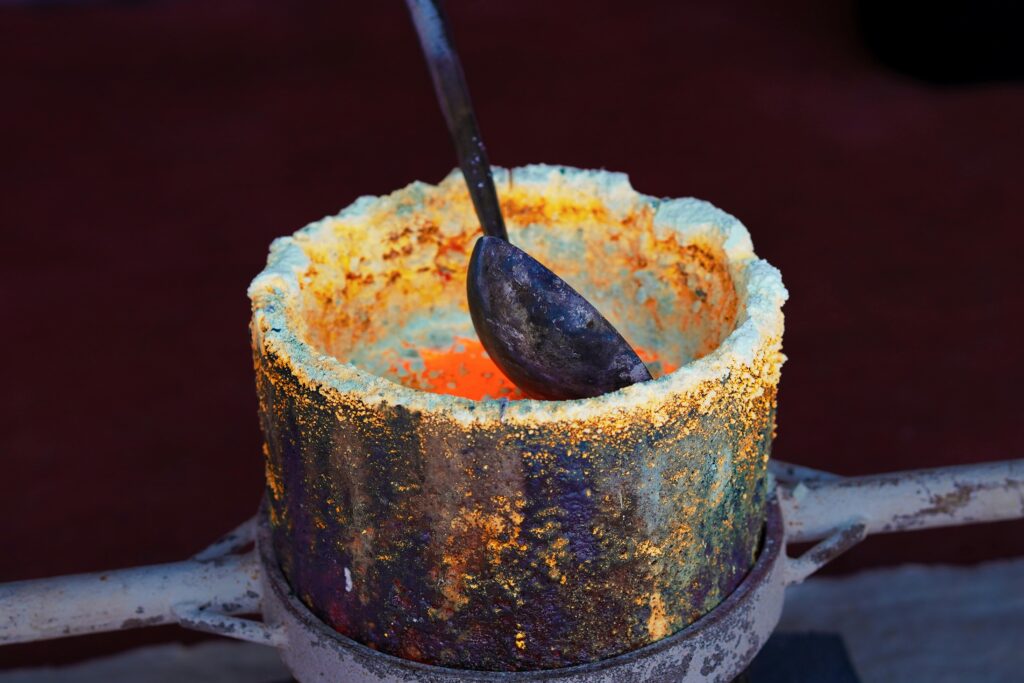
But here is what the price doesn’t measure.
It doesn’t measure the fact that your grandmother’s ring changed shape over forty years on her finger, that the band thinned on the palm side where it pressed against everything she held. It doesn’t account for the scratch pattern that belongs to one life and no other. It doesn’t register that a necklace remembers the warmth of a specific neck, or that a bracelet has learned the exact circumference of a wrist that no longer exists.
When you place a ring on a jeweler’s scale, you are performing a kind of translation — from one language into another. The ring, until that moment, existed in a world of touch, memory, and biography. On the scale, it enters a world of grams, karats, and spot prices. These two worlds have no common vocabulary.
The number the scale produces is accurate. It is also, in every important sense, wrong.
[To Be Continued]
Words By Daria
If you had to store all your love in one place, what shape would it be? I suspect something round.
[Part 2] Gold was worn before it was spent. That distinction still matters.
Paintings hang on walls. Sculptures sit on pedestals. Jewelry occupies a quieter, not as prominent spot.