Most guides to lab-grown vs natural diamonds are written by someone selling one side. We sell both, and we make the same money either way, so here is how we’d explain it to a friend.
Lab-grown vs natural diamonds: are they the same?
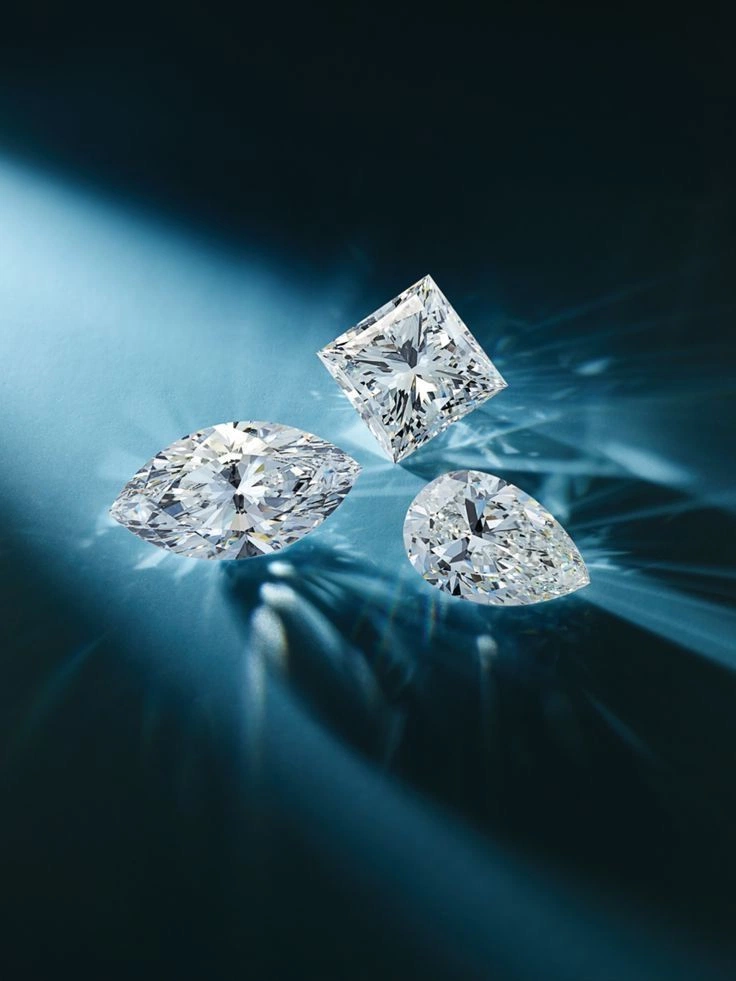
Yes. A lab-grown diamond is carbon crystallised into the same structure as a natural one. Same hardness, same sparkle, same chemistry. You can’t tell them apart by eye, and neither can most jewellers without lab equipment.
Both are graded the same way, on cut, colour, clarity and carat. The larger stones we use come with a certificate, usually from GIA or IGI, and the certificate says which kind it is.
What’s actually different
The price, first. A lab-grown diamond costs a fraction of a natural one of the same size and quality. For an engagement ring, that can mean a bigger stone, a better grade, or simply a smaller bill.
The story, second. A natural diamond formed underground over a very long time and was mined. A lab-grown diamond was made in weeks. For some people that history matters a lot. For others it doesn’t matter at all. Neither answer is wrong.
Resale, third. Lab-grown diamonds keep very little resale value, because they can be made in any quantity. Natural diamonds hold some of their value, though rarely what you paid at retail. If you’re buying a ring to wear, not to sell, this matters less than it sounds.
How we handle it
We use lab-grown diamonds where they make sense, for example in our Signature rings, to bring the price down. We take no margin on them. If a lab-grown stone saves you money, you keep the saving.
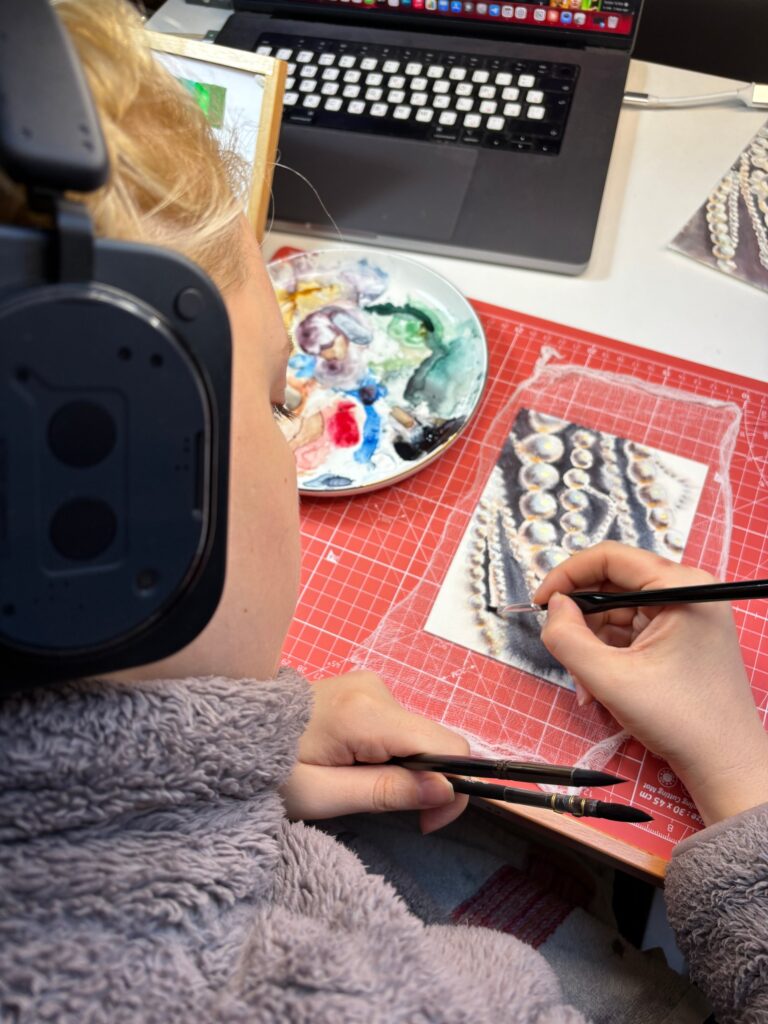
Our margin sits in the design and the handwork in Florence. That’s deliberate. It means we have no reason to push you towards one stone or the other.
How to choose: lab-grown vs natural diamonds
A few honest questions help:
- Does the diamond’s origin matter to you, or to her? If yes, natural.
- Would you rather spend the difference on a larger stone, a better design, or something else entirely? If yes, lab-grown.
- Is she likely to ask? Some people want to know, some never will. Tell her either way.
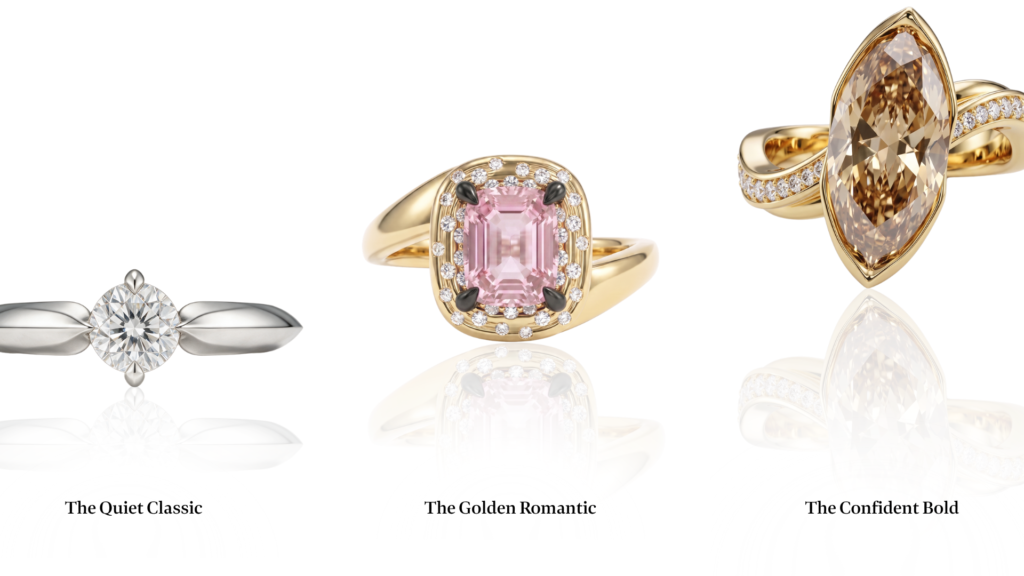
And there’s a third option people forget: a coloured stone. Sapphires, spinels and others can be beautiful and durable, and they change the conversation completely. Guide 6 covers which ones last.
Lab-grown vs natural diamonds: the short version
Same diamond, different history, very different price. Pick the one that fits your story, and don’t let anyone tell you the other choice is wrong.