Antonino Barbaro, GIA Applied Jewelry Professional
6 min read
In short
Karat tells you how much of the metal is pure gold, which changes the colour, the hardness and the price. Colour depends on what the gold is mixed with. Here's what that means for a ring you'll wear every day.
In this guide
If you’re weighing 18K vs 14K gold, start here: gold in jewellery is almost never pure. Pure gold is too soft to hold a stone or survive daily wear, so it’s mixed with other metals. The karat tells you how much of the mix is gold.
What the karat means
Karat
Gold content
Hallmark
What it’s like
24K
99.9%
999
Very soft, deep yellow. Rarely used for rings.
18K
75%
750
Rich colour, durable enough for daily wear. Our standard.
14K
58.5%
585
Harder and cheaper, paler colour. Common in the US.
In Italy, a ring is stamped with its hallmark, so 18K gold carries “750”. You’ll find it inside the band.
18K vs 14K gold: which one?
14K is a little harder, so it shows scratches slightly less, and it costs less because there’s less gold in it. 18K has a warmer, richer colour and contains less of the metals some people react to.
We work in 18K. For a ring meant to last fifty years, we think the colour and the quality of the metal are worth it.
Where the colour comes from
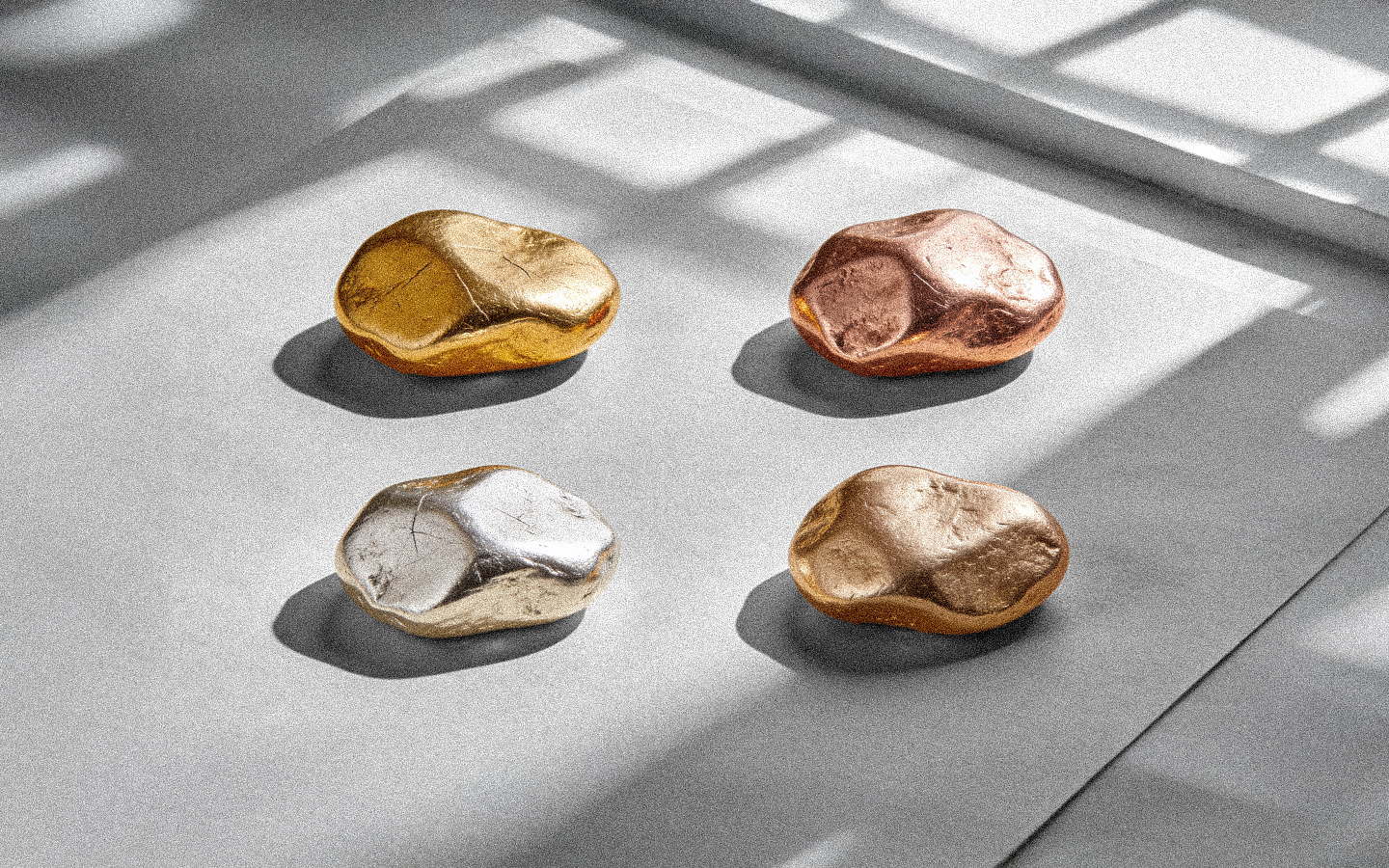
The colour depends on what the gold is mixed with.
Yellow gold is mixed mostly with silver and copper. It’s the classic colour, and it needs no plating.
Rose gold has more copper, which gives the pink tone. It’s tough and needs no plating either.
White gold is mixed with white metals such as palladium. It’s usually plated with rhodium to make it bright white. That plating wears with time, and the ring can be replated to bring the colour back.
Which colour suits a diamond?
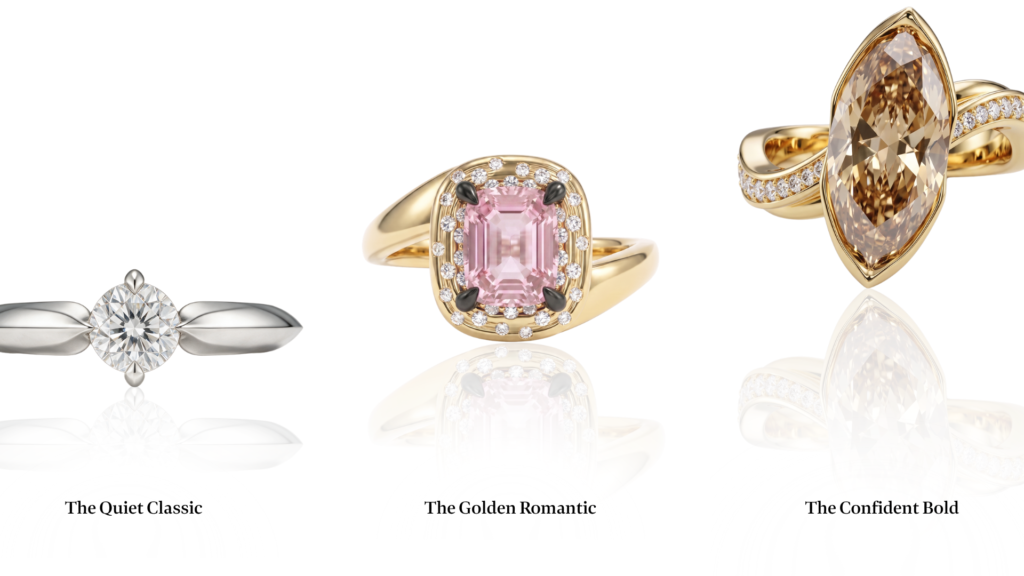
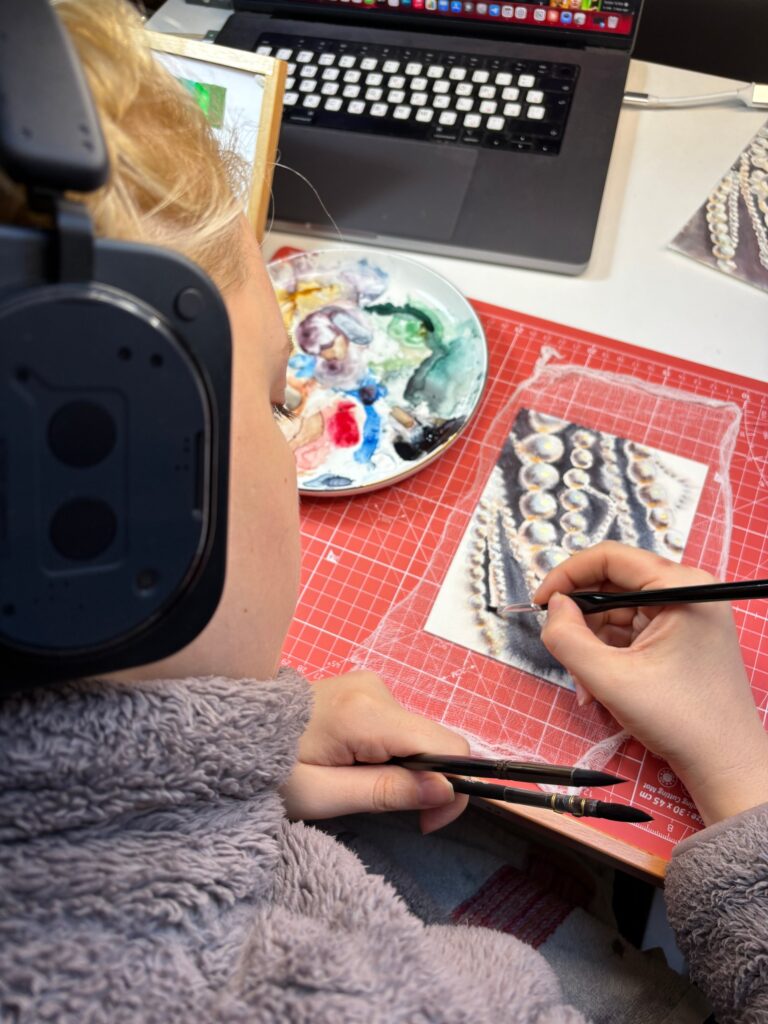
White metal makes a white diamond look whiter. Yellow and rose gold add warmth, and can make a slightly warmer diamond look intentional rather than off-colour. It’s a matter of taste, and it’s one of the things Yulia’s paintings help you see before deciding.
18K vs 14K gold: the short version
18K is 75% gold and our standard. Colour comes from the mix, and white gold needs replating now and then. Choose the colour she actually wears.
Reading because you’re planning something?
The first call is free, and there’s no wrong budget.