

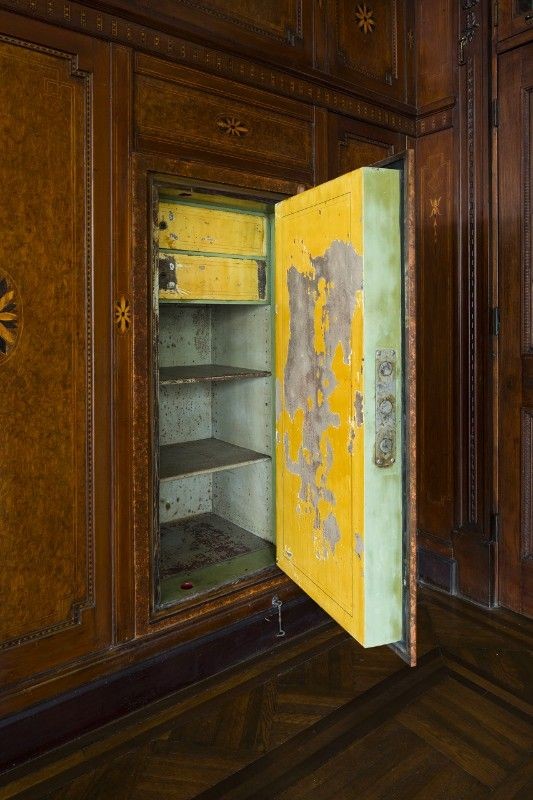
On Roundness and Love. A Jewelry Manifesto
If you had to store all your love in one place, what shape would it be? I suspect something round.
Ask ten people whether jewelry investment is good and you’ll get ten different answers — because most of them are talking about different things without realizing it.
There’s a real answer underneath the noise. Some parts of a piece of jewelry hold value predictably. Others don’t hold value at all, no matter how much a salesperson wants you to believe otherwise. Knowing the difference is what separates a smart purchase from an expensive mistake.
Gold, platinum, and certified gemstones have intrinsic worth that exists independently of who made the piece, who’s wearing it, or what’s trending this season. Gold has held value for thousands of years. High-clarity, well-certified stones hold theirs too — and a smaller, better-certified stone will consistently outperform a larger flawed one.
This is the one part of “jewelry as investment” that isn’t up for debate. It’s math, not marketing. It’s also why a mix of metals and stones across your pieces — rather than betting everything on one — tends to serve collectors better over time.
Most articles on this topic will tell you to buy from renowned maisons — Cartier, Tiffany, Van Cleef & Arpels — because their pieces “hold value.” That’s only half true.
A meaningful share of what you pay for a name-brand piece is the name. Not the gold. Not the stone. Not the hours of craft that went into setting it. The brand premium is the first thing to evaporate the moment you try to resell — and it’s often the largest single line item in the price you paid. You’re not buying more material or more craftsmanship by paying more for the logo. You’re buying the logo.
That doesn’t make maison jewelry worthless. It makes it a worse ratio of price-to-value than most buyers assume — and it’s exactly the ratio a bespoke piece is built to get right, because everything you pay for goes into the object itself.
You’ll sometimes hear the argument that buying from an independent designer is like buying early art — get in before they’re famous, and your piece could be worth a fortune someday.
It’s a nice story. It’s also survivorship bias. For every designer whose work appreciates, many more don’t — and you don’t hear those stories because there’s nothing to tell. Treat this as a pleasant possibility, never a plan.
What is true, and what you should actually bank on: craftsmanship and design quality are what age well, whether or not the maker becomes a household name.
When we’re selecting a stone, we’re not thinking about a chart. We’re looking at how it catches light, how it will sit against skin, whether the cut respects the stone or fights it. Certification tells you what a stone is. It doesn’t tell you whether it’s beautiful. Both things matter, and most jewelry — branded or not — only bothers with the first one.
The same is true of the setting. A piece is only as good as the hours someone was willing to put into the part nobody photographs — the inside of the band, the way a prong is finished so it never catches on anything. That’s not a marketing claim. It’s the actual difference between a piece that ages well and one that doesn’t.”
This is what “craftsmanship” means in practice — not a word on a page, but a set of decisions made by hand, one piece at a time.
A one-of-a-kind piece doesn’t have the resale infrastructure a Cartier or a signed antique has — no auction house, no dealer network, no comparable sales to point to. If your only goal is to buy low and sell high, that’s worth knowing upfront.
But most people commissioning a meaningful piece aren’t planning to sell it — they’re planning to wear it and eventually pass it down. For that buyer, material value and craftsmanship carry the piece regardless, and owning something genuinely singular — rather than one of thousands stamped with the same mark — is its own kind of value a resale price was never going to capture anyway. If building an active, tradeable collection is the goal rather than a single meaningful piece, that’s a different conversation — and one our numbered, limited editions are built for.
Strip away the marketing and the criteria are simple:
None of that requires a famous name. It requires someone who knows what they’re doing at every stage, and is honest with you about what you’re actually buying.
Is jewelry a good investment? Partly. The metal and stones hold real, verifiable value. The brand name usually doesn’t. Treat those as two separate questions when you’re deciding what to buy.
Does custom or bespoke jewelry hold its value? The material and craftsmanship hold value the same way they would in any well-made piece. What it lacks is an established resale market, since no two pieces are alike — which matters much less if you’re keeping and passing it down rather than reselling it.
Is it better to buy branded jewelry or a custom piece? If resale liquidity is your priority, a recognized brand has an established market that custom work doesn’t. If you want the best ratio of material and craft quality to what you’re paying, custom work wins — you’re paying for materials and skill, not a logo.
At Kholdina Studio, we design and handcraft one-of-a-kind pieces as well as ready to wear jewelry — the material, the gemstones, and the craftsmanship are what makes the price. If you’re thinking about a piece that’s meant to last, Let’s Talk →
If you had to store all your love in one place, what shape would it be? I suspect something round.
[Part 2] Gold was worn before it was spent. That distinction still matters.
[Part 1] A woman walks into a gold shop in downtown Los Angeles carrying a small velvet pouch.
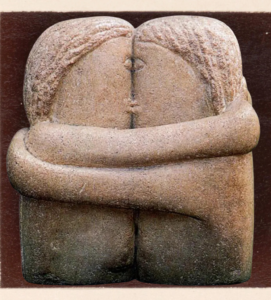
If you had to store all your love in one place, what shape would it be? I suspect something round.
[Part 2] Gold was worn before it was spent. That distinction still matters.
[Part 1] A woman walks into a gold shop in downtown Los Angeles carrying a small velvet pouch.
Whatever you have in mind — big idea, vague feeling, or something in between — that’s exactly where we start.